Authentic Bengali Khichuri & Labra Bhog – Festive Durga Puja Comfort Food Recipe
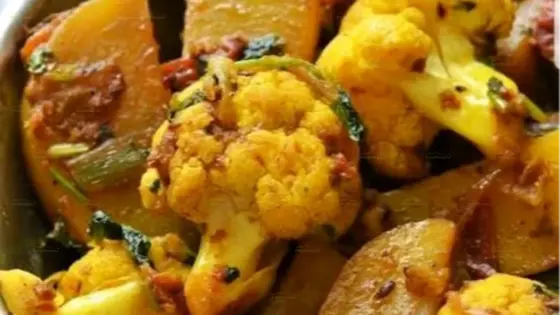
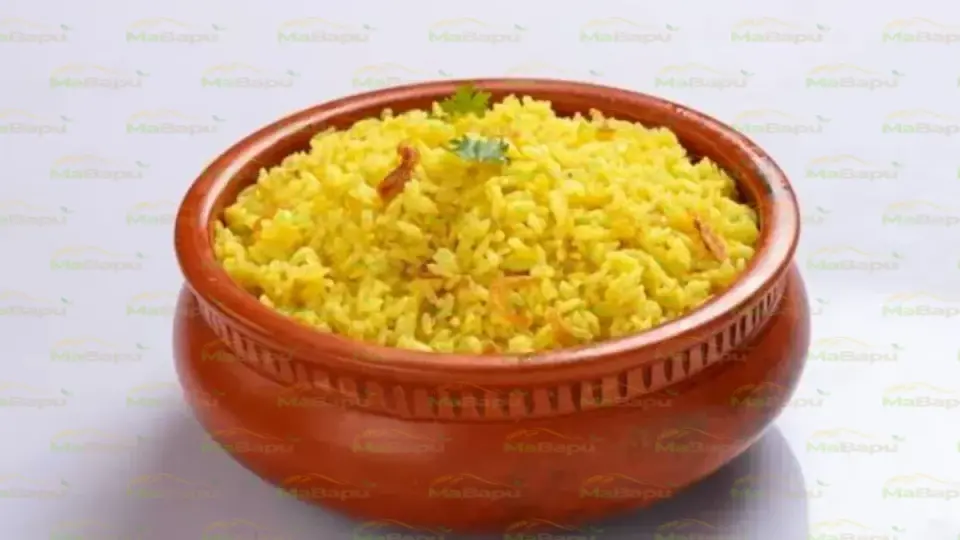
Imagine the kitchen awash with the warm, nutty perfume of Gobindobhog rice gently toasting in ghee, mingling with the earthy scent of sona moong dal and a chorus of whole spices that crackle and bloom like fireworks. The khichuri turns a buttery golden hue, its grains tender yet distinct, while the Labra bhog offers a rainbow of winter vegetables simmered in a silky mustard‑seed infused broth, each bite delivering sweet, savory, and a whisper of heat. Unlike many restaurant shortcuts that drown this classic in refined palm oil, artificial colors, and excess MSG, this Mabapu‑crafted version stays true to the Bengali temple kitchen, using pure desi cow ghee, whole spices, and fresh produce for a wholesome, heart‑warming feast that honors tradition and health in equal measure.
Let Us Help You just Like Maa Do !
Interactive step-by-step guidance · scales · timers · hands-free voice control
Nutrition Values
Ingredients
Core Ingredients & Aromatics


Labra Bhog Vegetables & Tempering





Cooking Method
Phase 1: Preparation & Setup
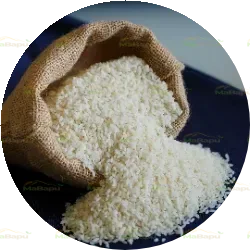
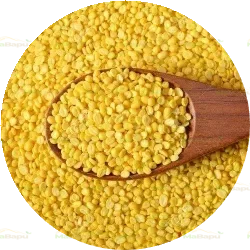
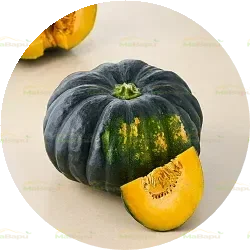
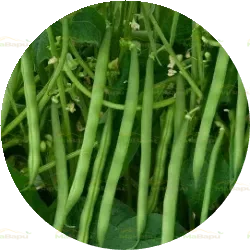
Rinse Gobindobhog rice and sona moong dal together under cold water until water runs clear; then soak them in fresh water for 30 minutes. High Flame / Tez Aanch – bring a pot of water to a rolling boil, add a pinch of salt, and blanch the diced carrots, pumpkin, beans, potatoes, peas, and mustard greens for 2 minutes; drain and set aside. Visual cue: vegetables should retain bright colour and a slight crunch; aromatic cue: faint steam of fresh veg rises.
Phase 2: Sautéing & Tempering
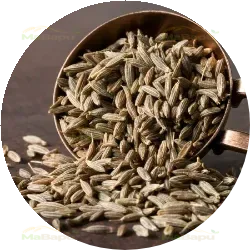
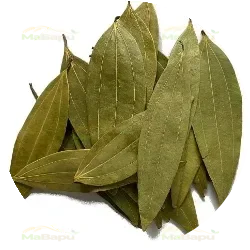
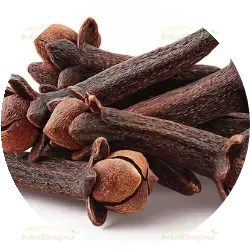
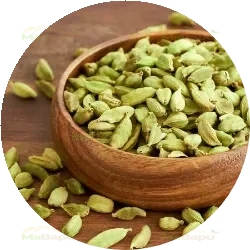
Heat 3 tbsp ghee in a heavy‑bottomed pot over Medium Flame / Madhyam Aanch. Add cumin seeds; listen for a gentle crackling sound as they hit the hot ghee. Immediately add bay leaves, cloves, cardamom[1][2], and cinnamon; stir until the spices release a fragrant, sweet perfume that fills the kitchen (aroma bloom).
Drain the soaked rice and dal; add them to the pot and stir continuously for 2 minutes, allowing each grain to coat in ghee. Visual cue: rice and dal turn a glossy, golden‑amber shade and you hear a soft sizzle as the ghee separates at the edges (rogān). This dry‑roasting step is the chef’s secret for nutty depth.
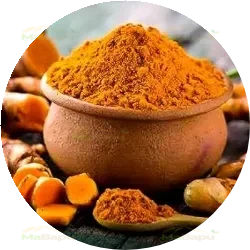
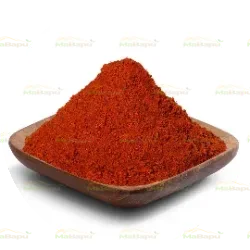
Sprinkle turmeric and red chili powder; stir quickly to avoid burning. Aromatic cue: a warm, earthy scent rises, signalling the spices are perfectly toasted.
Phase 3: Simmering & Sauce
Pour 1.5 L water into the pot, add salt, and increase to High Flame / Tez Aanch until the mixture reaches a vigorous boil. Once boiling, reduce to Low Flame / Dheemi Aanch, cover with a tight lid, and let it simmer for 20‑25 minutes. Sensory cue: you’ll hear a gentle bubbling; the rice should become fork‑tender yet retain a slight bite, and the dal should dissolve into a creamy broth.
While khichuri simmers, heat 1 tbsp ghee in a separate skillet over Medium Flame / Madhyam Aanch. Add mustard seeds; when they start to pop, toss in nigella seeds, green chilies, and grated ginger. Stir for 30 seconds until the ginger releases a sharp, fresh aroma.
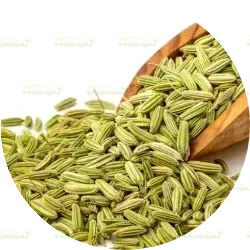
Add the blanched vegetables to the skillet, sprinkle the toasted fennel seed powder (Mabapu Twist), and sauté for 3‑4 minutes until they are just tender and glossy. Visual cue: vegetables acquire a subtle sheen and a fragrant, sweet‑spicy perfume.
Phase 4: Finishing & Serving
Gently fold the sautéed Labra vegetables into the cooked khichuri, mixing with a wooden spoon. Reduce to Low Flame / Dheemi Aanch for 5 minutes so flavors meld. Aromatic cue: the whole pot now smells like a temple offering – earthy, buttery, and spiced.
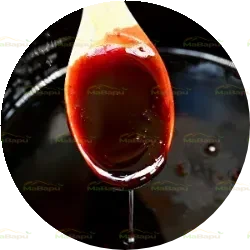
Turn off the heat. Drizzle the cold‑ghee secret (1 tsp chilled ghee) over the top; it will melt slowly, creating a glossy, silvery sheen. Sprinkle a handful of fried cashew pieces (optional) for crunch. Finally, drizzle 1 tsp date syrup for a subtle sweet finish that balances the spice (Mabapu Twist). Visual cue: a glossy, slightly caramelised surface with specks of golden cashews.
Serve hot in a stainless steel or earthen bowl, garnished with fresh coriander leaves if desired. Accompany with butter‑phulkas, cucumber raita, roasted papad, and a cup of jaggery‑sweetened tea for a complete festive meal.
Access authentic chef transmutations, ad-free cooking mode, instant PDF guides, and Ma AI cooking intelligence.
Frequently Asked Questions
How long should I soak the rice and dal before cooking?
After rinsing until the water runs clear, soak the Gobindobhog rice and sona moong dal together for 30 minutes. This short soak softens them without letting them over‑soak.
Can I use a different rice or dal for this khichuri?
Gobindobhog gives the dish its signature buttery, nutty flavor. Other fragrant basmati or long‑grain rice will work, but the texture and taste will differ. For the dal, a standard yellow moong or masoor can replace sona moong if needed.
What’s the purpose of adding chilled ghee at the end?
Drizzling a teaspoon of cold ghee after cooking gives the khichuri a glossy, silvery sheen and a subtle buttery finish that balances the spices. It also adds a touch of richness without overpowering the dish.