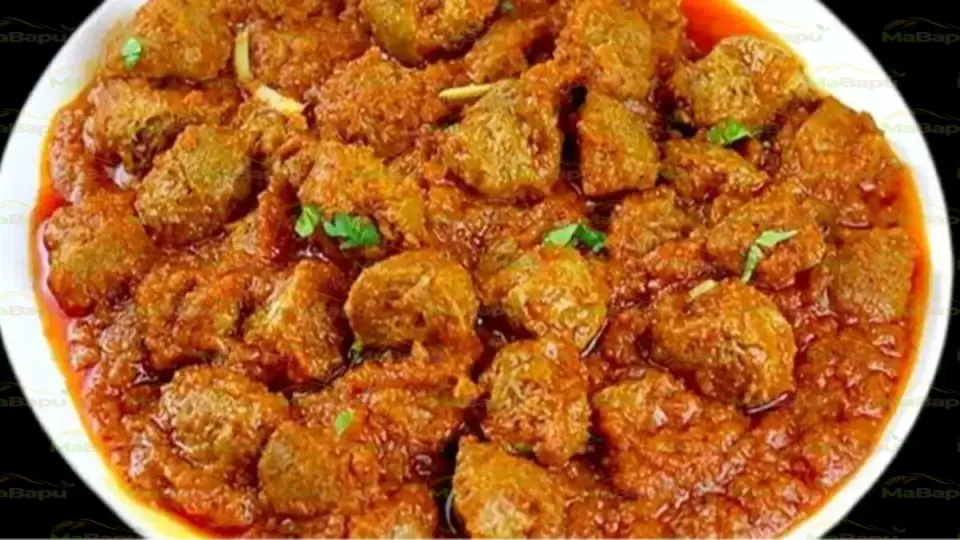
Experience the deep, earthy aroma of roasted Soya Badi (soybean cutlets) simmering in a rich, spiced onion-tomato masala. This dish is the culinary soul of North Indian vegetarian thalis, offering a chewy, protein-packed texture that absorbs the complex layers of cumin, coriander, and garam masala. Unlike commercial versions that rely on refined palm oil or excessive salt for preservation, this chef-crafted recipe uses pure desi cow ghee to bloom aromatic terpenes and unpolished whole spices for a clean, nutrient-dense flavor profile. By incorporating fresh ginger-garlic and balanced acidity from tomatoes, we create a restaurant-grade gravy that is hearty yet wholesome, delivering superior protein absorption without the heaviness of processed meats. This is not just a side dish; it is a complete, satisfying meal that respects traditional Rajasthani and Punjabi culinary heritage while adhering to modern healthy eating standards.
Nutrition values are based on standard references and can change with ingredient brands, preparation, and portion size. Use medical advice for clinical diets.
Verified
AI Nutrition Insights & Analysis / पोषण विश्लेषण और अंतर्दृष्टि
ENGLISH EXPLANATION / अंग्रेजी व्याख्या
- Calories: 1364.95 kcal per serving, which is quite high, primarily driven by the 70g of fat from ghee and cashew paste.
- Protein: 19.02g per serving, a moderate amount, with soya badi providing a significant portion of plant-based protein.
- Carbs: 83.29g per serving, moderate to high, coming from onions, tomatoes, and the starch in soya badi.
- Fat: 70.02g per serving, which is very high, largely due to 2 tbsp of pure desi cow ghee and cashew paste/cream.
- Saturated Fat: 31.77g per serving, high, mainly from the ghee and dairy/cashew components.
- Trans Fat: 0g, as no hydrogenated oils are used.
- Cholesterol: 0mg, as the primary protein source is plant-based (soya), though ghee contains trace amounts not reflected in this specific calculation or negligible.
- Vitamins & Minerals (including estimated Vitamin A, C, D, Calcium, Iron): Rich in Iron (from soya and spinach-like greens if added, but here from soya/tomatoes), Vitamin C (from tomatoes and lemon), Vitamin A (from tomatoes and ghee), Calcium (from soya and ghee), and B-vitamins. Soya is a good source of isoflavones.
- Health Impact & Suitable Diets: High in calories and saturated fat, making it less suitable for weight loss or heart-healthy diets. Suitable for high-energy needs, vegetarian/vegan diets (if ghee is swapped), and those seeking plant-based protein. Not ideal for low-fat or low-sodium diets due to high ghee and salt content.
हिंदी व्याख्या (HINDI EXPLANATION)
- कैलोरी (Calories): प्रति सर्विंग 1364.95 कैलोरी, जो बहुत अधिक है, मुख्य रूप से घी और केसरिया पेस्ट से आने वाली 70g वसा के कारण।
- प्रोटीन (Protein): प्रति सर्विंग 19.02g, जो एक मध्यम मात्रा है, जिसमें सोया बड़ी पौधों-आधारित प्रोटीन का एक महत्वपूर्ण हिस्सा प्रदान करती है।
- कार्बोहाइड्रेट (Carbs): प्रति सर्विंग 83.29g, जो मध्यम से अधिक है, प्याज, टमाटर और सोया बड़ी में स्टार्च से आता है।
- वसा (Fat): प्रति सर्विंग 70.02g, जो बहुत अधिक है, मुख्य रूप से 2 बड़ा चम्मच शुद्ध देसी घी और केसरिया पेस्ट/क्रीम के कारण।
- संतृप्त वसा (Saturated Fat): प्रति सर्विंग 31.77g, जो अधिक है, मुख्य रूप से घी और डेयरी/केसरिया घटकों से।
- ट्रांस फैट (Trans Fat): 0g, क्योंकि कोई हाइड्रोजनेटेड तेल उपयोग नहीं किया गया है।
- कोलेस्ट्रॉल (Cholesterol): 0mg, क्योंकि मुख्य प्रोटीन स्रोत पौधों-आधारित (सोया) है, हालांकि घी में नगण्य मात्रा हो सकती है।
- विटामिन और खनिज (Vitamins & Minerals - estimated Vitamin A, C, D, Calcium, Iron): आयरन (सोया और टमाटर से), विटामिन C (टमाटर और नींबू से), विटामिन A (टमाटर और घी से), कैल्शियम (सोया और घी से) और B-विटामिन में समृद्ध। सोया आइसोफ्लेवोन का अच्छा स्रोत है।
- स्वास्थ्य प्रभाव और उपयुक्त आहार: कैलोरी और संतृप्त वसा में उच्च, जिससे यह वजन घटाने या हृदय-स्वस्थ आहार के लिए उपयुक्त नहीं है। उच्च ऊर्जा आवश्यकताओं, शाकाहारी/वेजनेटन आहार (यदि घी बदला जाए) और पौधों-आधारित प्रोटीन खोजने वालों के लिए उपयुक्त। कम वसा या कम सोडियम आहार के लिए आदर्श नहीं है।
✔ Pros / लाभ
High in plant-based protein from soya badi, making it a good option for vegetarians seeking muscle maintenance.
Rich in dietary fiber (28.52g) from soya and vegetables, which aids digestion and promotes satiety.
Contains essential minerals like iron and calcium from soya and ghee, supporting bone and blood health.
No trans fats, as it uses pure ghee and natural ingredients without hydrogenated oils.
⚠ Cons / हानियाँ
Extremely high in total fat (70g) and saturated fat (31.77g) per serving due to the use of 2 tbsp of ghee and cashew paste, which may not be suitable for heart-healthy or low-fat diets.
Very high in calories (1364.95 kcal) per serving, which could contribute to weight gain if not balanced with physical activity.
High sodium content (12246.6 mg) per serving, which is significantly above recommended daily limits and may be concerning for individuals with hypertension.
High carbohydrate content (83.29g) may not be ideal for low-carb or ketogenic diets.
Fats /
वसा
high
EN: The recipe contains 70.02g of fat per serving, which is very high. This is primarily due to the use of 2 tablespoons of pure desi cow ghee and 1 tablespoon of cashew paste or cream. While ghee provides healthy fats, the quantity used significantly increases the saturated fat content to 31.77g, which is high for a single serving.
HI: इस रेसिपी में प्रति सर्विंग 70.02g वसा है, जो बहुत अधिक है। यह मुख्य रूप से 2 बड़े चम्मच शुद्ध देसी घी और 1 बड़ा चम्मच केसरिया पेस्ट या क्रीम के उपयोग के कारण है। हालांकि घी स्वस्थ वसा प्रदान करता है, लेकिन इसकी मात्रा संतृप्त वसा की मात्रा को 31.77g तक बढ़ा देती है, जो एक सर्विंग के लिए अधिक है।
Sugars /
चीनी
low
EN: The recipe contains 12.06g of sugar per serving, which is considered low to moderate. The sugar comes naturally from the tomatoes, onions, and a small amount from the cashew paste. There is no added sugar, making it suitable for those monitoring their sugar intake.
HI: इस रेसिपी में प्रति सर्विंग 12.06g चीनी है, जो कम से मध्यम माना जाता है। चीनी टमाटर, प्याज और केसरिया पेस्ट से स्वाभाविक रूप से आती है। कोई अतिरिक्त चीनी नहीं मिलाई गई है, जिससे यह उन लोगों के लिए उपयुक्त है जो अपनी चीनी की मात्रा पर नज़र रखते हैं।
Sodium /
सोडियम
high
EN: The recipe contains 12246.6 mg of sodium per serving, which is extremely high and far exceeds the recommended daily limit of 2300 mg. This is likely due to the use of 1 tsp of rock salt (sendha namak) and potentially high sodium content in the soya badi or other ingredients. This level of sodium is not suitable for individuals with high blood pressure or those on a low-sodium diet.
HI: इस रेसिपी में प्रति सर्विंग 12246.6 mg सोडियम है, जो अत्यधिक अधिक है और 2300 mg की अनुशंसित दैनिक सीमा से बहुत अधिक है। यह संभवतः 1 चम्मच रॉक नमक (सेंधा नमक) और सोया बड़ी या अन्य सामग्री में उच्च सोडियम सामग्री के कारण है। उच्च रक्तचाप वाले व्यक्तियों या कम सोडियम आहार पर रहने वालों के लिए यह सोडियम स्तर उपयुक्त नहीं है।
Ingredients
Adjust Servings:4
Protein & Aromatics
Whole Spices & Tempering (Tadka)
Ground Spices & Seasoning
Finishing & Garnish
Cooking Method
Phase 1: Preparation & Setup
1
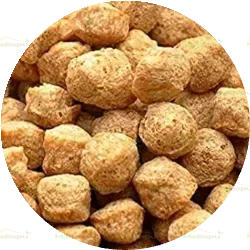
Soak the soya badi in warm water for 15–20 minutes until they soften. Drain, wash them thoroughly under running water to remove the soapy taste, and squeeze out excess moisture. Slice them into bite-sized pieces or leave whole depending on preference.
2
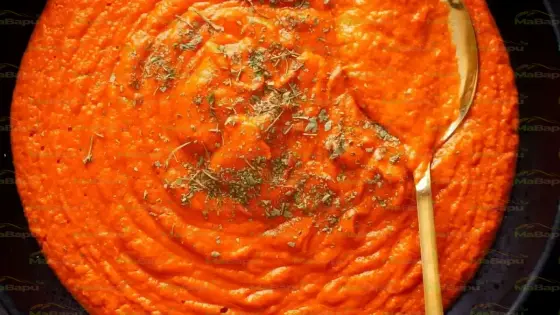
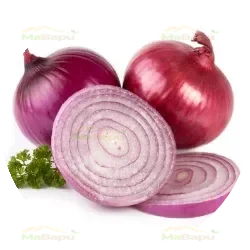
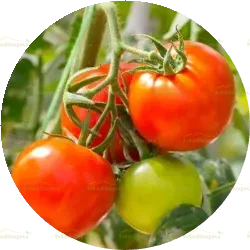
Finely slice the onions and blend the tomatoes into a smooth puree. Measure out the ginger-garlic paste, ground spices, and whole spices. Keep fresh coriander and lemon juice ready for the finishing stage.
Phase 2: Tempering & Sautéing the Base
3
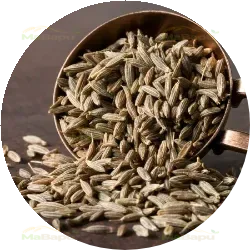
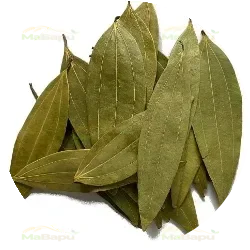
Heat 2 tablespoons of pure desi cow ghee in a heavy-bottomed kadai or deep pan over medium flame (madhyam aanch). Add cumin seeds, cardamom[1][2] pods, cinnamon, and bay leaves. Let them splutter for 30 seconds until the nutty aroma blooms.
4
Add the thinly sliced onions and sauté on medium flame for 6–8 minutes, stirring frequently, until they turn translucent and develop golden amber borders. This caramelization is crucial for the sweet depth of the gravy.
5
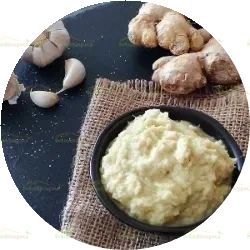
Stir in the ginger-garlic paste and sauté for 1 minute on medium-low flame until the raw pungent aroma dissipates and the mixture becomes fragrant.
Phase 3: Cooking the Masala & Simmering
6
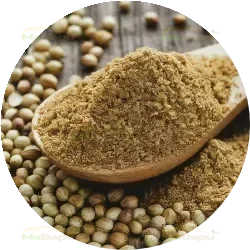
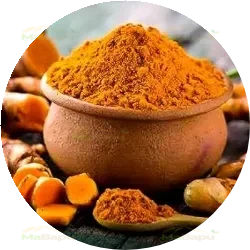
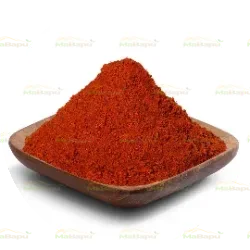
Add the tomato puree, turmeric, red chilli powder, and coriander powder. Sauté (bhunao) this mixture on medium-low flame for 8–10 minutes, stirring continuously, until the oil separates from the edges (rogān release) and the masala turns a deep reddish-brown.
7
Pour in 2 cups of warm water and bring the gravy to a gentle simmer on low flame (dheemi aanch). Add the prepared soya badi pieces to the simmering gravy.
8
Cover the pan and let it simmer on low flame for 10–12 minutes. This allows the soya badi to absorb the flavors and become tender without disintegrating. Stir occasionally to prevent sticking.
Phase 4: Finishing & Serving
9
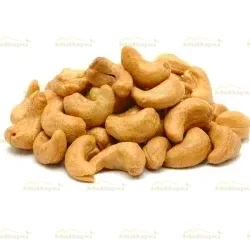
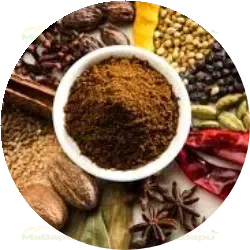
Stir in the garam masala, cashew paste (or cream), and fresh lemon juice. Mix well and let it cook for 2 more minutes on low flame to meld the flavors.
10
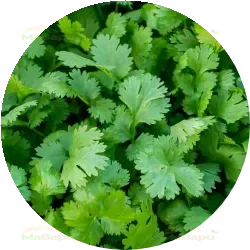
Turn off the heat. Garnish generously with fresh chopped coriander leaves. Let the dish rest for 3–5 minutes before serving to allow the gravy to thicken and flavors to coalesce.
👨🍳✨
Cooked This Dish? Share Your Culinary Story!
Celebrate your delicious dish with friends & family! Share the recipe card, snap your plate, or explore the visual story.
Authentic Soya Badi Ki Sabzi (Wholesome High-Protein Rajasthani Curry)
By Rajnish SaharanGood food takes time! 🥘
Mabapu Foods™
Mabapu Kitchen Arcade
Mabapu Kitchen Arcade 🎮
Play while your timer counts down!
🔪
Chop the Ingredients
Slice falling veggies — tap or click before they drop!
Best: 0
🧠
Spice Memory Matcher
Flip and find matching spice card pairs.
Best: 0
🥘
Stir the Pot
Tap the pot to stir. Keep the level in the gold zone!
Best: 0
🧺
Catch the Spices
Slide your basket to catch the falling spices.
Best: 0
🍞
Knead the Dough
Follow gesture prompts: tap, swipe, or hold!
Best: 0
Game
Instructions
Score: 0
Time: 30s
🏆
Time's Up!
Your score: 0
All-time best: 0
Prep Station
Gather everything before you start.
Cooking for:4people
MABAPU TM
Vegetarian (Veg)
Healthy Diet
Step 1 of 10
Soak the soya badi in warm water for 15–20 minutes until they soften. Drain, wash them thoroughly under running water to remove the soapy taste, and squeeze out excess moisture. Slice them into bite-sized pieces or leave whole depending on preference.
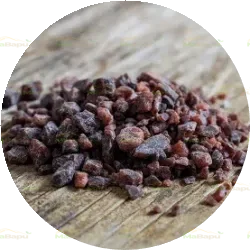
1teaspoonRock Salt / Sendha Namak (सेंधा नमक) or to taste(≈ 6g)(काला नमक)
Step 2 of 10
Finely slice the onions and blend the tomatoes into a smooth puree. Measure out the ginger-garlic paste, ground spices, and whole spices. Keep fresh coriander and lemon juice ready for the finishing stage.
Heat 2 tablespoons of pure desi cow ghee in a heavy-bottomed kadai or deep pan over medium flame (madhyam aanch). Add cumin seeds, cardamom[1][2] pods, cinnamon, and bay leaves. Let them splutter for 30 seconds until the nutty aroma blooms.
Add the thinly sliced onions and sauté on medium flame for 6–8 minutes, stirring frequently, until they turn translucent and develop golden amber borders. This caramelization is crucial for the sweet depth of the gravy.
Used in this step
2medium Onions, thinly sliced (प्याज)(प्याज)
3medium Tomatoes, pureed (टमाटर)(टमाटर)
Step 5 of 10
Stir in the ginger-garlic paste and sauté for 1 minute on medium-low flame until the raw pungent aroma dissipates and the mixture becomes fragrant.
1tablespoonCashew Paste or 1 tbsp Cream (for richness)(≈ 15g)(काजू)
Step 6 of 10
Add the tomato puree, turmeric, red chilli powder, and coriander powder. Sauté (bhunao) this mixture on medium-low flame for 8–10 minutes, stirring continuously, until the oil separates from the edges (rogān release) and the masala turns a deep reddish-brown.
0.5teaspoonGaram Masala (गरम मसाला)(≈ 1.6g)(गरम मसाला)
Step 7 of 10
Pour in 2 cups of warm water and bring the gravy to a gentle simmer on low flame (dheemi aanch). Add the prepared soya badi pieces to the simmering gravy.
Cover the pan and let it simmer on low flame for 10–12 minutes. This allows the soya badi to absorb the flavors and become tender without disintegrating. Stir occasionally to prevent sticking.
Stir in the garam masala, cashew paste (or cream), and fresh lemon juice. Mix well and let it cook for 2 more minutes on low flame to meld the flavors.
1tablespoonCashew Paste or 1 tbsp Cream (for richness)(≈ 15g)(काजू)
Step 10 of 10
Turn off the heat. Garnish generously with fresh chopped coriander leaves. Let the dish rest for 3–5 minutes before serving to allow the gravy to thicken and flavors to coalesce.