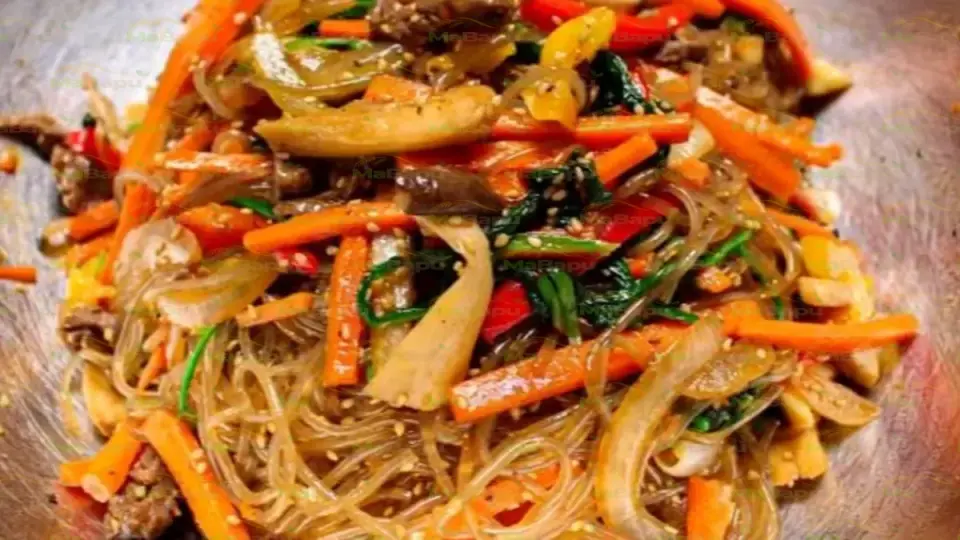
Classic Korean Japchae Glass Noodles – Chewy Sweet Potato Noodles with Fresh Veg & Sesame Glow
Imagine a fragrant steam of sweet potato glass noodles, their translucent strands glistening with a glossy sesame sheen, mingling with the earthy aroma of sautéed shiitake mushrooms, the bright green of spinach, and the subtle sweetness of julienned carrots. The dish sings with a gentle umami chorus from soy sauce, a whisper of Korean chili flakes, and a final drizzle of toasted sesame oil that leaves a lingering nutty perfume in the kitchen. Restaurants often shortcut this flavor by using refined palm oil, artificial colorants, and an excess of MSG to speed up production. In contrast, this Mabapu recipe keeps every ingredient whole and unadulterated: pure desi cow ghee (शुद्ध देसी घी) for sautéing, fresh vegetables, and a balanced blend of soy sauce and Korean rice vinegar. The result is a healthier, cleaner version that delivers the same depth of flavor without the hidden additives, making it a perfect, guilt‑free party dish for any occasion.
Let Us Help You just Like Maa Do !
Interactive step-by-step guidance · scales · timers · hands-free voice control
Nutrition Values
Ingredients
Core Ingredients & Aromatics




Vegetables


Sauce & Finish


Garnish & Finish


Cooking Method
Phase 1: Preparation & Setup
Soak the sweet potato glass noodles in warm water for 10 minutes until they soften. Drain and set aside. (Low flame / Dheemi Aanch – no cooking needed, just gentle soaking.)
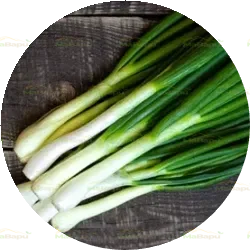
Wash spinach, slice shiitake mushrooms, julienne carrot, thinly slice bell pepper, and chop green onion. (Low flame – just a quick rinse and chop.)
Phase 2: Sautéing & Tempering
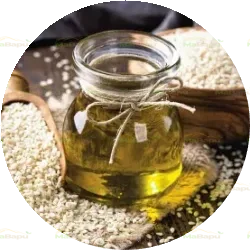
Heat 2 tbsp pure desi cow ghee in a large wok over Medium flame / Madhyam Aanch. When the ghee shimmers and a faint crackle appears, add sesame oil and let it bloom for 10 seconds until the nutty aroma fills the kitchen. (Sensory cue: aroma bloom, gentle sizzling.)
Add sliced shiitake mushrooms and sauté for 2 minutes until they release moisture and turn golden amber. (High flame / Tez Aanch – quick sear, watch for splattering.)
Introduce julienned carrot and thin bell pepper; stir-fry for 1 minute until they soften but remain crisp. (Medium flame – maintain color, avoid overcooking.)
Add spinach and green onion; cook until spinach wilts, about 30 seconds. (Low flame – gentle, preserve green hue.)
Phase 3: Simmering & Sauce
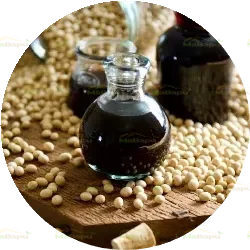
In a small bowl, whisk together soy sauce, Korean rice vinegar, sugar, salt, black pepper, and Korean chili flakes until sugar dissolves. (No flame needed.)
Return the sautéed vegetables to the wok, pour the sauce mixture over them, and toss to coat evenly. Let it simmer for 1 minute so the flavors meld. (Medium flame – gentle simmer, watch for bubbling.)
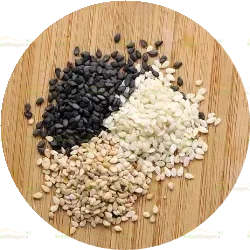
Add the soaked noodles, toasted sesame seeds, and optional Gochujang or Doenjang. Toss everything together, ensuring noodles are evenly coated and glossy. (Low flame – keep heat low to avoid breaking noodles.)
Finish with a drizzle of toasted sesame oil and a squeeze of fresh lemon juice. Sprinkle chopped cilantro and red chili flakes. Toss lightly. (Low flame – final touch, aroma bloom.)
Phase 4: Finishing & Serving
Transfer the Japchae to a serving platter. The noodles should be glossy, slightly translucent, and each strand should feel fork‑tender. (Sensory cue: glossy coat, tender texture.)
Serve hot with a side of hot butter phulkas, fragrant jeera rice, or laccha paratha, and a cool cucumber raita or roasted papad for contrast. (No flame – just plating.)
Access authentic chef transmutations, ad-free cooking mode, instant PDF guides, and Ma AI cooking intelligence.
Frequently Asked Questions
How long should I soak the sweet potato glass noodles before cooking?
Soak them in warm water for about 10 minutes until they soften. Drain and set aside; no heat is needed.
Is it necessary to use pure desi cow ghee, or can I substitute it?
Desi ghee[1][2] gives a subtle nutty aroma that complements the dish. If you don’t have it, clarified butter or a light neutral oil works, but use a bit less to keep the flavor bright.
What if I want a spicier version—how much chili should I add?
Start with 1 teaspoon of Korean chili flakes; taste and add more if you like heat. A pinch of red chili flakes at the end brightens the dish without overpowering.