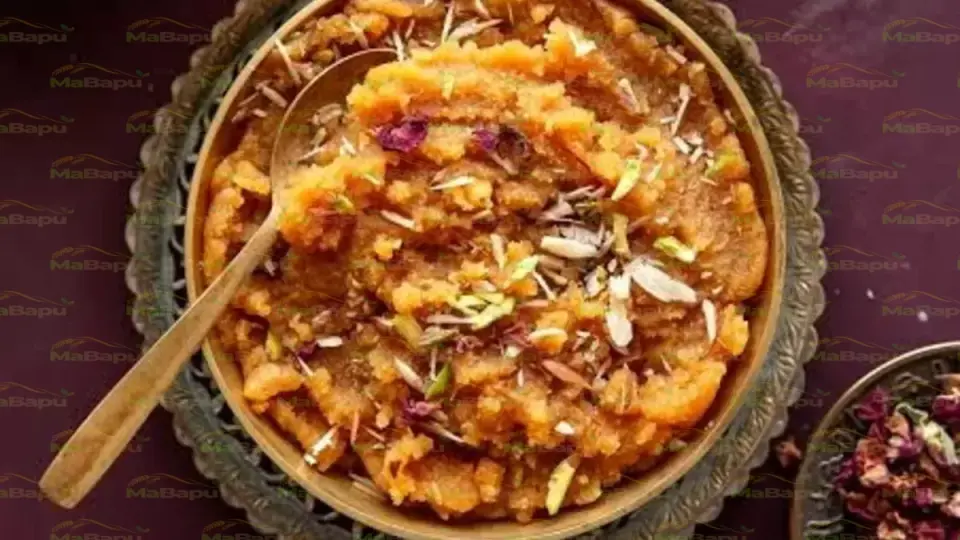
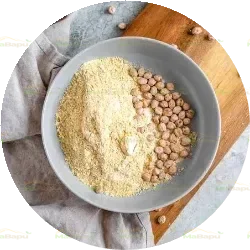
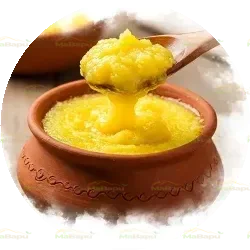
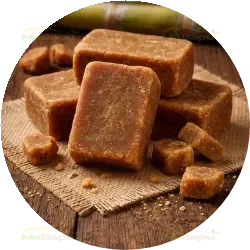
Imagine the rich, intoxicating aroma of roasted gram flour (besan) dancing with the nutty essence of crushed almonds and the warm, sweet embrace of pure desi ghee[1][2]. This is not just a dessert; it is a sensory journey into the heart of Indian festive traditions. The culinary soul of Besan Halwa lies in the 'bhunao' technique—dry roasting the besan until it transforms from a raw, starchy powder into a deep golden-brown, nutty paste that holds a glossy sheen. In commercial or rushed home versions, cooks often oversaturate this dish with refined white sugar and cheap vegetable oils, masking the authentic, complex flavor profile of the gram flour and making the texture heavy and cloying. As Chef Rajnish, I have engineered this recipe to achieve that authentic, melt-in-the-mouth richness using cold-pressed pure cow ghee and natural jaggery or minimal rock sugar, ensuring a clean, nutrient-dense experience. This dish is a study in thermal control: the transition from high-heat browning to low-heat simmering creates a silky, uniform texture that is high in plant protein and healthy fats, offering a wholesome, balanced indulgence that satisfies the craving without the guilt of ultra-processed sugary treats.
Nutrition information is automatically estimated and may vary based on actual ingredients, portion sizes, and preparation methods. Values are approximate.
Estimate
AI Nutrition Insights & Analysis / पोषण विश्लेषण और अंतर्दृष्टि
ENGLISH EXPLANATION / अंग्रेजी व्याख्या
- Calories: 712.5 kcal per serving, a high-calorie density typical of traditional Indian sweets due to ghee and jaggery.
- Protein: 12.8g, primarily derived from besan (gram flour) and nuts, providing a moderate protein boost for a dessert.
- Carbs: 82.5g, with 48g being sugar from jaggery/rock sugar and the rest from complex carbohydrates in besan and nuts.
- Fat: 38.5g, largely from pure desi cow ghee and nuts, contributing to the rich texture and energy content.
- Saturated Fat: 14.2g, a significant portion of the total fat, originating from the ghee used in cooking and garnishing.
- Trans Fat: 0g, as the recipe uses pure ghee and no hydrogenated oils.
- Cholesterol: 12mg, a low amount, mainly from the ghee and nuts.
- Vitamins & Minerals (including estimated Vitamin A, C, D, Calcium, Iron): Rich in Iron (from besan and jaggery), Calcium (from nuts and ghee), and Vitamin A (from ghee and saffron). Low in Vitamin C and D.
- Health Impact & Suitable Diets: High in energy and fats; suitable for occasional consumption. Not recommended for diabetics or those on strict low-fat/low-calorie diets. Good for vegetarians seeking nutrient-dense traditional sweets.
हिंदी व्याख्या (HINDI EXPLANATION)
- कैलोरी (Calories): प्रति सर्विंग 712.5 कैलोरी, जो घी और गुड़ के उपयोग के कारण पारंपरिक भारतीय मिठाई के लिए उच्च कैलोरी घनत्व है।
- प्रोटीन (Protein): 12.8 ग्राम, मुख्य रूप से बेसन और मेवे से प्राप्त, जो एक मिठाई के लिए मध्यम प्रोटीन प्रदान करता है।
- कार्बोहाइड्रेट (Carbs): 82.5 ग्राम, जिसमें से 48 ग्राम गुड़/इसबूला से चीनी है और बाकी बेसन और मेवे से जटिल कार्बोहाइड्रेट हैं।
- वसा (Fat): 38.5 ग्राम, मुख्य रूप से शुद्ध देसी घी और मेवे से, जो समृद्ध बनावट और ऊर्जा सामग्री में योगदान देता है।
- संतृप्त वसा (Saturated Fat): 14.2 ग्राम, कुल वसा का एक महत्वपूर्ण हिस्सा, जो पकाने और गार्निशिंग के लिए उपयोग किए गए घी से आता है।
- ट्रांस फैट (Trans Fat): 0 ग्राम, क्योंकि इस व्यंजन में शुद्ध घी और कोई हाइड्रोजनेटेड तेल नहीं है।
- कोलेस्ट्रॉल (Cholesterol): 12 मिलीग्राम, जो मुख्य रूप से घी और मेवे से एक कम मात्रा है।
- विटामिन और खनिज (Vitamins & Minerals - estimated Vitamin A, C, D, Calcium, Iron): आयरन (बेसन और गुड़ से), कैल्शियम (मेवे और घी से), और विटामिन A (घी और केसर से) में समृद्ध। विटामिन C और D में कम।
- स्वास्थ्य प्रभाव और उपयुक्त आहार: ऊर्जा और वसा में उच्च; कभी-कभी खाने के लिए उपयुक्त। डायबिटीज या सख्त कम-वसा/कम-कैलोरी आहार पर रहने वालों के लिए अनुशंसित नहीं। पोषक तत्वों से भरपूर पारंपरिक मिठाई चाहने वाले शाकाहारी लोगों के लिए अच्छा।
✔ Pros / लाभ
Uses natural sweeteners like jaggery or rock sugar instead of refined white sugar, offering some trace minerals.
Contains healthy fats from nuts (cashews and almonds) and pure desi ghee, which are traditional and nutrient-dense ingredients.
Besan provides a good source of plant-based protein and fiber compared to other flour-based sweets.
⚠ Cons / हानियाँ
Very high in calories and saturated fat due to the large amount of ghee used, making it unsuitable for daily consumption.
High sugar content (48g per serving) makes it inappropriate for diabetics or those monitoring blood sugar levels.
Low in dietary fiber relative to the high carbohydrate load, which may lead to rapid blood sugar spikes.
Fats /
वसा
high
EN: The recipe is high in fat (38.5g per serving), primarily due to the use of 1/2 cup of ghee for cooking and additional ghee for garnish, along with nuts.
HI: इस व्यंजन में वसा की मात्रा उच्च है (प्रति सर्विंग 38.5 ग्राम), मुख्य रूप से पकाने के लिए उपयोग किए गए 1/2 कप घी और गार्निश के लिए अतिरिक्त घी, साथ ही मेवों के कारण।
Sugars /
चीनी
high
EN: Sugar levels are high (48g per serving) due to the 1/2 cup of jaggery or rock sugar powder, which is a significant portion of the total carbohydrates.
HI: गुड़ या इसबूला पाउडर (1/2 कप) के कारण चीनी की मात्रा उच्च है (प्रति सर्विंग 48 ग्राम), जो कुल कार्बोहाइड्रेट का एक महत्वपूर्ण हिस्सा है।
Sodium /
सोडियम
low
EN: Sodium content is low (185mg per serving), as the recipe does not include added salt and relies on natural ingredients with minimal sodium.
HI: सोडियम की मात्रा कम है (प्रति सर्विंग 185 मिलीग्राम), क्योंकि इस व्यंजन में नमक नहीं मिलाया गया है और यह कम सोडियम वाले प्राकृतिक सामग्रियों पर निर्भर करता है।
Ingredients
Adjust Servings:4
Mise En Place & Base Ingredients
Aromatics & Finishing
Cooking Method
Phase 1: Mise En Place & Prep
1
Sieve the besan (gram flour) into a bowl to remove any lumps. This ensures a smooth, lump-free texture in the final dish. For a 12-year-old, use a fine mesh sieve and tap it gently; for a 95-year-old, ask for assistance with the sieve to avoid strain on the wrists.
2
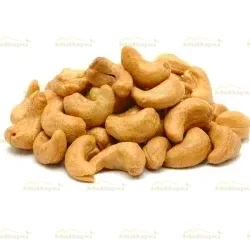
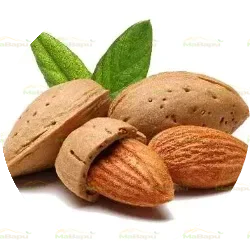
Chop the cashews and almonds into small, even pieces. Prepare the jaggery powder by grinding jaggery in a blender until it becomes a fine, dry powder. If using rock sugar, ensure it is also finely powdered so it dissolves quickly in the ghee.
3
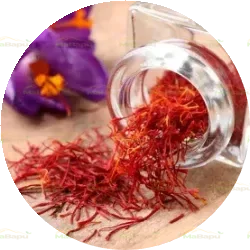
If using saffron, soak the strands in 2 tablespoons of warm milk for 10 minutes to release the color and aroma. Keep all ingredients measured and ready near the stove.
Phase 2: Roasting the Besan (Bhunao)
4
Place a heavy-bottomed kadai or non-stick pan over medium flame (madhyam aanch). Add 1/4 cup of the pure desi ghee[1][2]. Allow it to heat until it shimmers but does not smoke.
5
Add the sieved besan to the hot ghee. Immediately stir continuously with a wooden spoon. The goal is to roast the besan without letting it burn. Stir in a circular motion, scraping the bottom and sides of the pan.
6
Continue roasting on medium flame for 8-10 minutes. The besan will change color from pale yellow to light golden, then to a deep golden-brown. You will smell a distinct nutty, roasted aroma (aroma bloom). The texture will start to look dry and powdery. This is the critical step; do not rush it, as the raw taste of besan must completely disappear.
7
Reduce the flame to low (dheemi aanch) and continue stirring for another 2-3 minutes until the besan is a uniform deep golden-brown color. This ensures even roasting and prevents scorching at the bottom.
Phase 3: Adding Moisture & Simmering
8
Pour in the 1/2 cup of water (or the saffron milk if using) slowly while stirring continuously. The mixture will become thick and lumpy initially. Keep stirring vigorously to break down any lumps and incorporate the liquid evenly into the roasted besan.
9
Add the remaining 1/4 cup of pure desi ghee[1][2] to the mixture. Stir well to combine. The ghee will help create a glossy, rich texture and prevent the halwa from drying out too much.
10
Bring the mixture to a gentle simmer on low flame (dheemi aanch). Allow it to cook for 5-7 minutes, stirring occasionally. The water will start to evaporate, and the halwa will begin to thicken and pull away slightly from the sides of the pan.
Phase 4: Sweetening & Final Cooking
11
Add the jaggery powder (or rock sugar powder) to the simmering halwa. Mix well to dissolve the sugar completely. If the mixture looks too dry, add 1-2 tablespoons of warm water.
12
Continue cooking on low flame for another 5-7 minutes. Stir frequently to prevent sticking at the bottom. The halwa should now be thick, glossy, and hold its shape when placed on a plate. It should pull away cleanly from the sides of the pan (rogān release).
13
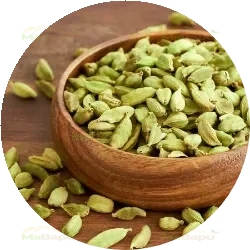
Turn off the heat. Add the chopped cashews, sliced almonds, and cardamom[1][2] powder. Stir gently to distribute the nuts evenly throughout the halwa. If using saffron milk, mix it in now for a vibrant golden-orange hue.
Frequently Asked Questions
Q.What is the secret to making perfect Authentic Gujarati Style Besan Halwa (Wholesome Chef Guide)?
Ensure you follow the prep time and ingredients list exactly, cooking on medium heat to preserve the authentic flavors.
Q.Can I store Authentic Gujarati Style Besan Halwa (Wholesome Chef Guide) for later?
Yes, you can refrigerate it in an airtight container for up to 2 days. Reheat gently before serving.
Q.Is Authentic Gujarati Style Besan Halwa (Wholesome Chef Guide) healthy?
It is a nutritious, home-cooked option made with fresh ingredients. You can adjust the oil or spices to suit your dietary needs.
Authentic Gujarati Style Besan Halwa (Wholesome Chef Guide)
By Rajnish SaharanGood food takes time! 🥘
Mabapu Foods™
Mabapu Kitchen Arcade
Mabapu Kitchen Arcade 🎮
Play while your timer counts down!
🔪
Chop the Ingredients
Slice falling veggies — tap or click before they drop!
Best: 0
🧠
Spice Memory Matcher
Flip and find matching spice card pairs.
Best: 0
🥘
Stir the Pot
Tap the pot to stir. Keep the level in the gold zone!
Best: 0
🧺
Catch the Spices
Slide your basket to catch the falling spices.
Best: 0
🍞
Knead the Dough
Follow gesture prompts: tap, swipe, or hold!
Best: 0
Game
Instructions
Score: 0
Time: 30s
🏆
Time's Up!
Your score: 0
All-time best: 0
Prep Station
Gather everything before you start.
Cooking for:4people
MABAPU TM
Vegetarian (Veg)
Normal Diet
Step 1 of 13
Sieve the besan (gram flour) into a bowl to remove any lumps. This ensures a smooth, lump-free texture in the final dish. For a 12-year-old, use a fine mesh sieve and tap it gently; for a 95-year-old, ask for assistance with the sieve to avoid strain on the wrists.
Chop the cashews and almonds into small, even pieces. Prepare the jaggery powder by grinding jaggery in a blender until it becomes a fine, dry powder. If using rock sugar, ensure it is also finely powdered so it dissolves quickly in the ghee.
1tablespoonPure Desi Cow Ghee for garnish (शुद्ध देसी घी)(≈ 14g)(घी)
Step 3 of 13
If using saffron, soak the strands in 2 tablespoons of warm milk for 10 minutes to release the color and aroma. Keep all ingredients measured and ready near the stove.
Place a heavy-bottomed kadai or non-stick pan over medium flame (madhyam aanch). Add 1/4 cup of the pure desi ghee[1][2]. Allow it to heat until it shimmers but does not smoke.
1tablespoonPure Desi Cow Ghee for garnish (शुद्ध देसी घी)(≈ 14g)(घी)
Step 5 of 13
Add the sieved besan to the hot ghee. Immediately stir continuously with a wooden spoon. The goal is to roast the besan without letting it burn. Stir in a circular motion, scraping the bottom and sides of the pan.
1tablespoonPure Desi Cow Ghee for garnish (शुद्ध देसी घी)(≈ 14g)(घी)
Step 6 of 13
Continue roasting on medium flame for 8-10 minutes. The besan will change color from pale yellow to light golden, then to a deep golden-brown. You will smell a distinct nutty, roasted aroma (aroma bloom). The texture will start to look dry and powdery. This is the critical step; do not rush it, as the raw taste of besan must completely disappear.
Reduce the flame to low (dheemi aanch) and continue stirring for another 2-3 minutes until the besan is a uniform deep golden-brown color. This ensures even roasting and prevents scorching at the bottom.
Pour in the 1/2 cup of water (or the saffron milk if using) slowly while stirring continuously. The mixture will become thick and lumpy initially. Keep stirring vigorously to break down any lumps and incorporate the liquid evenly into the roasted besan.
Add the remaining 1/4 cup of pure desi ghee[1][2] to the mixture. Stir well to combine. The ghee will help create a glossy, rich texture and prevent the halwa from drying out too much.
1tablespoonPure Desi Cow Ghee for garnish (शुद्ध देसी घी)(≈ 14g)(घी)
Step 10 of 13
Bring the mixture to a gentle simmer on low flame (dheemi aanch). Allow it to cook for 5-7 minutes, stirring occasionally. The water will start to evaporate, and the halwa will begin to thicken and pull away slightly from the sides of the pan.
Used in this step
0.5cupWater (पानी)(≈ 120g)(पानी)
Step 11 of 13
Add the jaggery powder (or rock sugar powder) to the simmering halwa. Mix well to dissolve the sugar completely. If the mixture looks too dry, add 1-2 tablespoons of warm water.
Used in this step
0.5cupJaggery Powder / Gud Powder (गुड़ पाउडर) OR Rock Sugar Powder (इसबूला)(≈ 60g)(गुड़)
Continue cooking on low flame for another 5-7 minutes. Stir frequently to prevent sticking at the bottom. The halwa should now be thick, glossy, and hold its shape when placed on a plate. It should pull away cleanly from the sides of the pan (rogān release).
Turn off the heat. Add the chopped cashews, sliced almonds, and cardamom[1][2] powder. Stir gently to distribute the nuts evenly throughout the halwa. If using saffron milk, mix it in now for a vibrant golden-orange hue.
Used in this step
0.5cupJaggery Powder / Gud Powder (गुड़ पाउडर) OR Rock Sugar Powder (इसबूला)(≈ 60g)(गुड़)