Traditional Baked Lotus Paste Mooncake with Salted Yolk – Authentic Mid‑Autumn Festival Delight

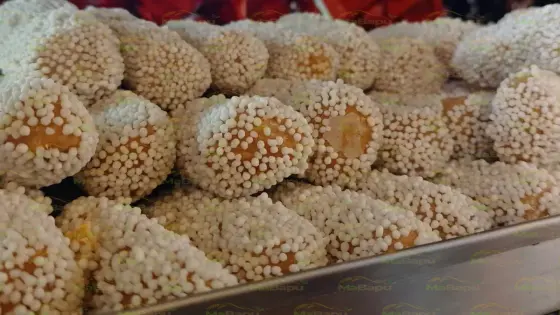
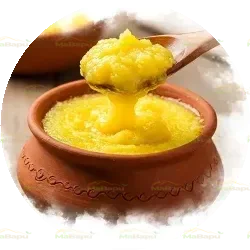
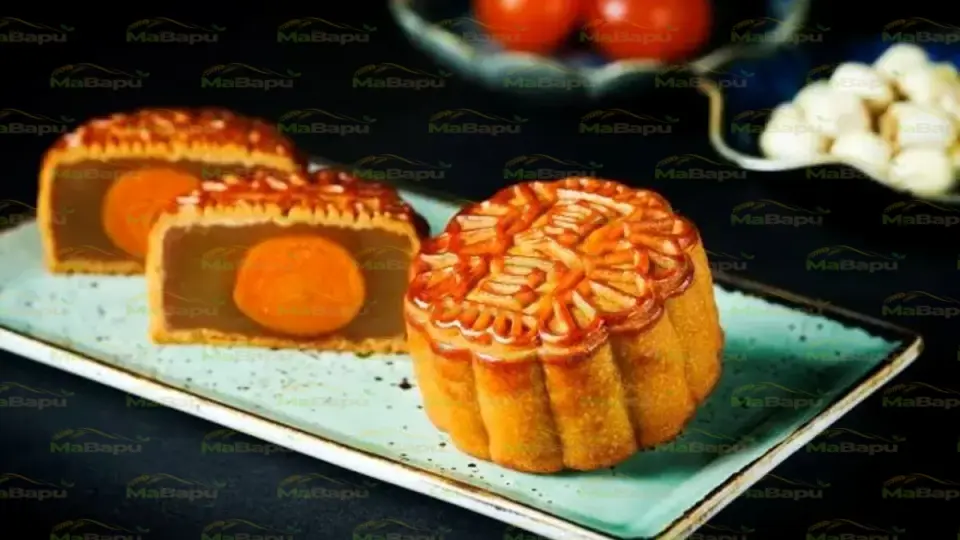
Imagine the warm, buttery aroma of golden‑baked pastry mingling with the sweet, nutty perfume of lotus seed paste, all crowned by a glossy, umami‑rich vegetarian salted yolk that shatters like a sunrise over the moon. As the oven door opens, a faint caramel‑kissed scent rises, promising a melt‑in‑the‑mouth crumb that is both tender and slightly crisp at the edges. Many commercial mooncakes cheat with refined palm oil, artificial red pigments, and a glut of MSG that mask true flavor. This Mabapu‑crafted masterpiece rejects those shortcuts, using pure desi cow ghee, freshly milled lotus seeds, and a lovingly cured paneer yolk to deliver depth, aroma, and nutrition. The result is a mooncake that feels indulgent yet remains wholesome, perfect for the Mid‑Autumn Festival or any celebration where tradition meets health.
Let Us Help You just Like Maa Do !
Interactive step-by-step guidance · scales · timers · hands-free voice control
Nutrition Values
Ingredients
Core Ingredients & Aromatics


Cooking Method
Phase 1: Preparation & Setup
Rinse the soaked lotus seeds, then steam them on Medium Flame / Madhyam Aanch for 12‑15 minutes until they are tender; you’ll hear a gentle hissing and see a faint steam veil. When a fork slides in with barely resistance, they are ready.
Transfer the hot lotus seeds to a food processor, add powdered sugar, milk, rose water, and crushed fennel seeds. Blend on Low Flame / Dheemi Aanch for 2 minutes until a smooth, glossy paste forms; the mixture should emit a sweet floral aroma and cling to the spoon without dripping.
Shape the lotus paste into 4 equal balls, wrap each in parchment, and chill at 4°C for 20 minutes – the paste will firm up, giving a cool, firm feel under the fingertips.
Phase 2: Pastry Dough & Sautéing
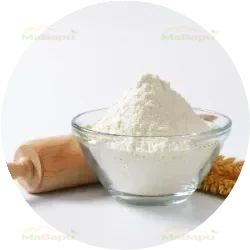
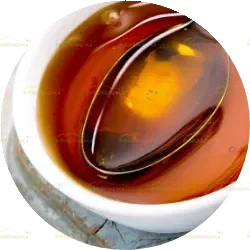
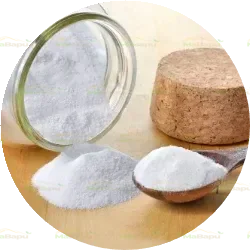
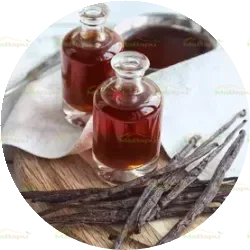
In a mixing bowl, combine flour, baking soda, and salt. Add golden syrup, alkaline water, and vanilla extract. Stir on High Flame / Tez Aanch for 30 seconds until the mixture becomes a crumbly texture and a faint caramel aroma rises.
Cover the dough with a damp cloth and let it rest for 30 minutes at room temperature – the dough will relax, making it easier to roll.
Phase 3: Assembly & Baking
Divide the rested dough into 4 equal portions. Roll each portion into a 5‑cm disc on Low Flame / Dheemi Aanch, ensuring the surface is smooth and slightly glossy from the ghee.
Place a chilled lotus paste ball in the center of each dough disc, then nestle a paneer yolk on top. Gently pull the dough edges over the filling, sealing it completely; you should feel a firm snap as the dough adheres, and a faint buttery scent will escape.
Press each sealed mooncake into a traditional mooncake mold, tapping lightly to imprint the classic lotus motif. The imprint should be crisp, with clean lines that catch the light.
Bake on Medium Flame / Madhyam Aanch (oven heat) for 20‑22 minutes until the tops turn a deep golden amber, the edges crackle softly, and a sweet, toasted aroma fills the kitchen. Rotate the tray halfway for even browning.
Phase 4: Finishing & Serving
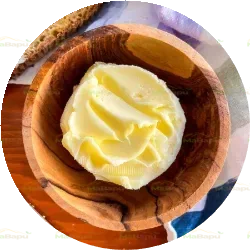
Remove mooncakes and immediately brush again with cold butter for a high‑gloss finish; the glaze should set instantly, giving a mirror‑like sheen.
Allow the mooncakes to cool on a wire rack for 15 minutes – the pastry will firm up, producing a crisp snap when broken, while the interior remains velvety.
Access authentic chef transmutations, ad-free cooking mode, instant PDF guides, and Ma AI cooking intelligence.
Frequently Asked Questions
How long should I bake the mooncakes for a golden finish?
Bake at 180 °C for 20–22 minutes, turning the tray halfway. Brush with cold butter right after removing from the oven for a glossy sheen.
Can I substitute the paneer yolk with a different filling?
Yes, a salted‑egg yolk or a savory cheese works, but keep the size and shape similar to preserve the balance of flavors.
Why do I need alkaline water in the dough?
Alkaline water softens the flour, giving the pastry a tender crumb and a slight lift during baking.